Tree Clipart for Embroidery Projects
As an embroidery designer and product reviewer, I’ve evaluated countless machine embroidery designs. Tree, Tree Clipart, Trees, Family Tree, stands out as a versatile and visually appealing illustration that can elevate a wide range of handmade products. Whether you're creating custom apparel, personalized gifts, or boutique merchandise, this design offers a natural and elegant aesthetic that fits many applications.
First Impressions: A Design That Speaks Volumes
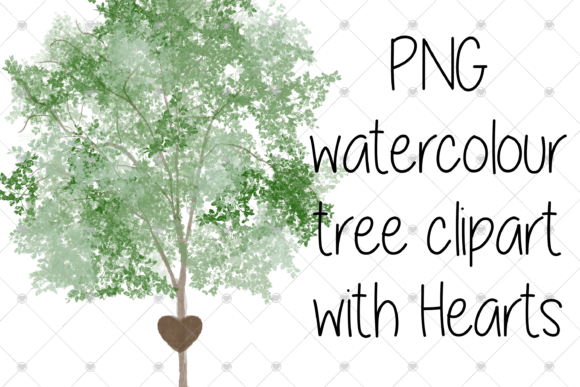
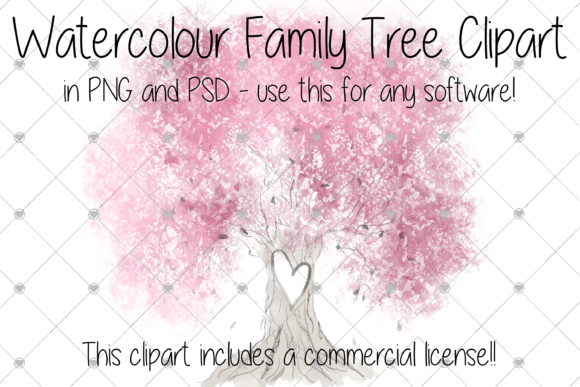
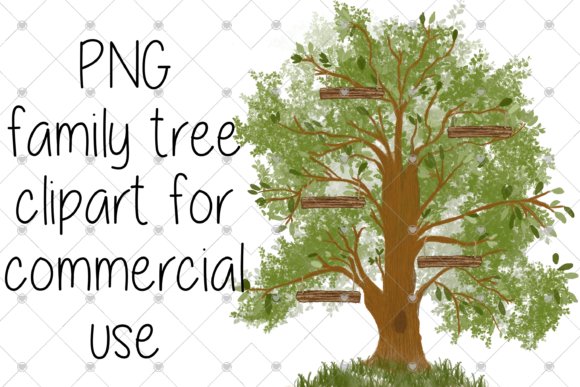
The first thing that catches the eye is the simplicity and clarity of the Tree, Tree Clipart, Trees, Family Tree, illustration. It’s clean, well-proportioned, and carries a warm, organic feel. The layout is balanced, with enough detail to be recognizable without being overly complex. This makes it ideal for embroidery projects where visual appeal needs to be both striking and subtle.
The theme is universal—trees are a classic choice for family-oriented designs, holiday decor, and nature-inspired crafts. The design feels like it belongs in a handmade product, especially one that emphasizes connection, growth, or seasonal themes.
Real-World Use: From Tote Bags to Baby Items
I tested the Tree, Tree Clipart, Trees, Family Tree, on several fabric types and project types. On a cotton tote bag, it looked great with a medium stitch density, offering enough definition without overwhelming the fabric. For a sweatshirt, the design worked well when placed on a flat area, avoiding any distortion from stretchy material.
On baby clothes, the design was soft and appropriate, especially when using pastel thread colors. It also made a nice touch on embroidered patches, where the details remained visible even at smaller sizes. For holiday gifts, the design felt timeless and could easily be adapted to different color schemes depending on the occasion.
Performance in Different Embroidery Situations
The Tree, Tree Clipart, Trees, Family Tree, performs well in most standard embroidery scenarios. It works well as an applique design, especially when paired with satin stitch or fill stitch techniques. The design’s open areas allow for good visibility of the background fabric, which can be useful for layered garments or textured fabrics.
However, there are some limitations. On small hoop sizes, the design may require resizing or splitting into sections to ensure all details are captured properly. For thin or stretchy fabrics, a stabilizer is essential to prevent puckering or distortion during stitching.
When used on dark fabrics, the design benefits from contrasting thread colors to maintain visibility. On light fabrics, it looks natural and blends well with the background. For curved surfaces like caps or hats, the design may need slight adjustments to fit the shape without stretching or warping.
Where to Use With Caution
While the Tree, Tree Clipart, Trees, Family Tree, is generally reliable, there are situations where extra care is needed. Tiny lettering or intricate corners may not hold up well on dense stitch areas. If the design is meant to be a decorative accent rather than the main feature, it might get lost in busy patterns or over-stitched areas.
For commercial embroidery projects, it’s important to confirm the licensing terms before selling finished items or digital products. Always test the design on scrap fabric first to check how it looks with your chosen thread colors and stabilizer type.
Impact on Visual Appeal and Customer Perception
The Tree, Tree Clipart, Trees, Family Tree, adds a sense of warmth and personality to any project. It enhances the visual appeal of custom apparel, making it more desirable for customers looking for unique, handcrafted items. As a handmade product, it conveys quality and attention to detail, which builds customer trust and encourages repeat business.
For Etsy sellers and small shop owners, this design can be a valuable addition to your digital product library. It works well as a printable mockup or a downloadable embroidery file, giving customers flexibility in how they use it. Its versatility makes it suitable for both personal and commercial projects, increasing its overall value.
Practical Designer Notes
Before finalizing any project, I always recommend testing the Tree, Tree Clipart, Trees, Family Tree, on scrap fabric. This helps identify any issues with stitch density, thread color contrast, or fabric compatibility. Check whether the design works in black and white mockups to see how it appears on different backgrounds.
Make sure the hoop size is appropriate for the design’s dimensions. For detailed areas, consider using a running stitch to preserve sharp edges. When working with textured or stretchy fabrics, use the right stabilizer to maintain the design’s integrity during stitching.
Finally, if you plan to sell products featuring the Tree, Tree Clipart, Trees, Family Tree,, double-check the licensing terms to ensure compliance. This is especially important for digital product sellers and craft businesses that rely on original, legal designs.