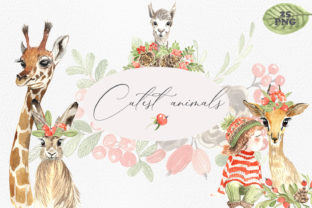
Cutest Animals Illustrations
As a designer who regularly works on branding, packaging, and marketing visuals for small businesses and handmade brands, I always look for high-quality design assets that can elevate a project without overwhelming it. Cutest Animals is one such illustration set that offers a charming, approachable aesthetic ideal for a wide range of creative projects.
First Impressions: A Whimsical and Playful Mood
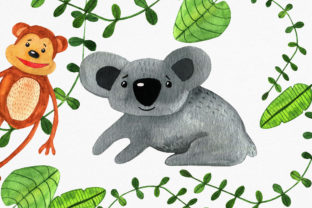
The first thing that stands out about Cutest Animals is its soft, hand-drawn style. The illustrations exude warmth and friendliness, making them perfect for projects targeting families, children’s products, or any brand looking to convey a sense of comfort and joy. The color palette is gentle—pastels, muted tones, and warm neutrals—that feel inviting rather than aggressive. This makes the asset ideal for designs where visual appeal needs to be both engaging and non-intrusive.
These illustrations don’t scream for attention; they gently invite the viewer in. That’s exactly what many small businesses need when creating packaging, social media graphics, or printable designs for Etsy shops. They offer a visual language that feels authentic and relatable.
Real-World Applications: From Packaging to Social Media
When working on a client project for a boutique stationery line, I found Cutest Animals to be incredibly versatile. It worked well as a decorative element on product labels, as a background for packaging inserts, and even as a standalone graphic for social media posts. The clean lines and simple shapes make it easy to integrate into various design formats without losing clarity.
For a recent t-shirt design project, the illustrations were used as a subtle motif on the back of the garment. Their size and simplicity allowed them to complement the typography without competing with it. Similarly, in a Cricut project for custom stickers, the asset provided a consistent, cohesive look across multiple designs.
In editorial design, Cutest Animals added a playful touch to a magazine spread promoting a local pet adoption event. The illustrations helped reinforce the theme without overshadowing the text or other visual elements.
Where Cutest Animals Shines: Large Layouts and Themed Campaigns
Cutest Animals excels in large layout areas, such as hero graphics, product mockups, and campaign visuals. Its scale and detail make it suitable for use in posters, banners, and digital ads where a strong visual impact is needed. When used as part of a themed collection, the illustrations help create a unified, recognizable brand identity.
For a seasonal campaign targeting a handmade business, the asset was used to create a series of holiday-themed cards and packaging. The consistency of the style made the entire collection feel cohesive and professional, even when printed in limited colors.
Where to Use with Caution: Minimalist and Corporate Projects
While Cutest Animals is great for many design directions, it may not be the best fit for minimalist branding or professional corporate materials. The whimsical nature of the illustrations can clash with clean, modern design principles that prioritize simplicity and functionality.
Similarly, in low-contrast or crowded layouts, the details in the illustrations might get lost or become distracting. It’s important to test the asset at different sizes and on various backgrounds to ensure it maintains its visual integrity.
Design Considerations: Readability and Brand Consistency
One of the key factors in using any graphic design asset is how it affects readability and visual hierarchy. Cutest Animals is best used as a supporting element rather than the main focal point. When paired with appropriate fonts—such as a sans serif or display font—it can enhance the overall design without compromising legibility.
For brand consistency, it’s essential to ensure that the illustrations align with the rest of the brand’s visual identity. This includes checking that the color scheme, typography, and overall tone match the client’s brand guidelines. If the asset is going to be used in commercial design, verifying the commercial license is a must before finalizing any project.
Practical Designer Notes: Testing and File Quality
Before using Cutest Animals in a real client project, I recommend testing it in black and white to see how it holds up without color. This helps identify any potential issues with contrast or visibility on different backgrounds.
Previewing the illustrations at both small and large sizes is also crucial. At smaller scales, details might become too fine or hard to distinguish. On larger formats, the asset should maintain its clarity and charm.
If the asset includes PNG transparency, check how it looks against various background colors. For SVG designs, ensure they are editable and scalable without loss of quality. Comparing the illustrations with different font styles can also help determine the best visual balance for the project.
Conclusion: A Versatile Asset for Creative Projects
Cutest Animals is a valuable addition to any designer’s toolkit, especially for those working on handmade businesses, small business branding, or print-on-demand products. Its friendly, approachable style makes it ideal for projects that aim to connect emotionally with the audience.
Whether used in a Canva template, a Cricut project, or a social media graphic, the illustrations bring a sense of warmth and personality that can elevate a design from good to great. With proper testing and consideration, Cutest Animals can be a reliable and effective design asset for a wide range of creative applications.